Physical Address
304 North Cardinal St.
Dorchester Center, MA 02124
Physical Address
304 North Cardinal St.
Dorchester Center, MA 02124

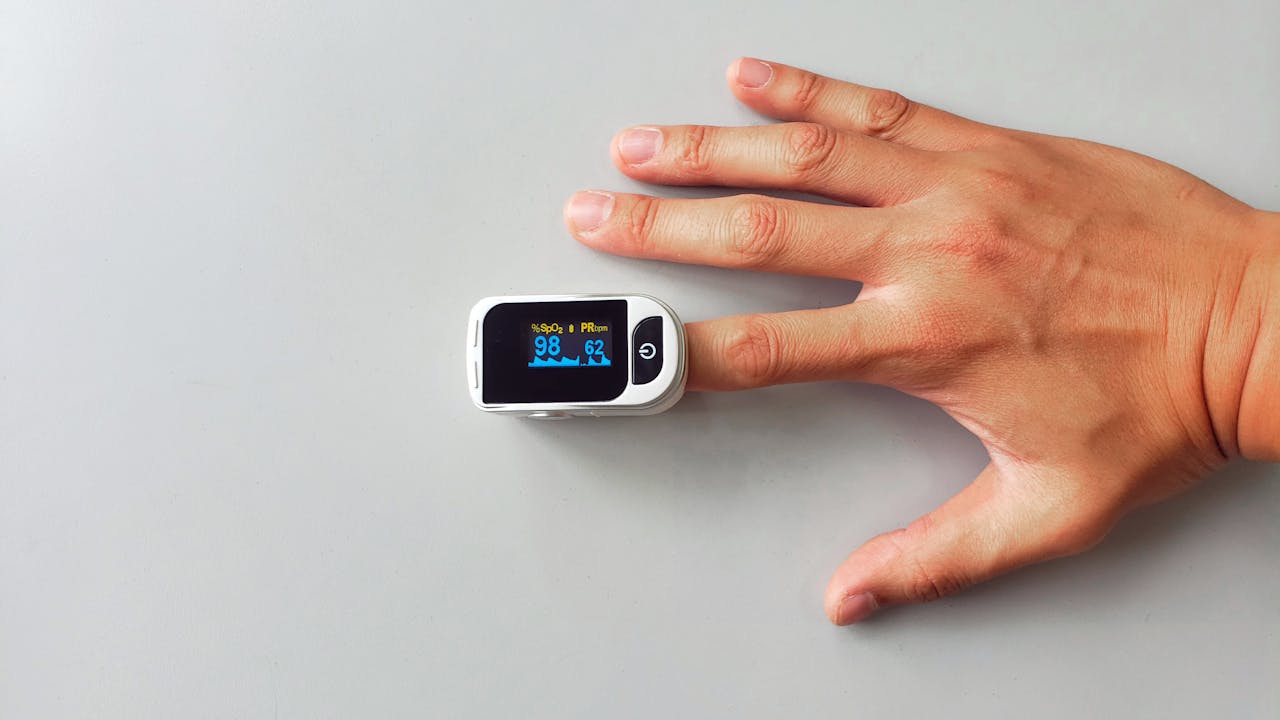
It is a small, non-invasive device that measures the oxygen saturation level (SpO₂) in your blood — as well as your pulse rate. It clips onto your fingertip and gives you real-time readings in seconds.
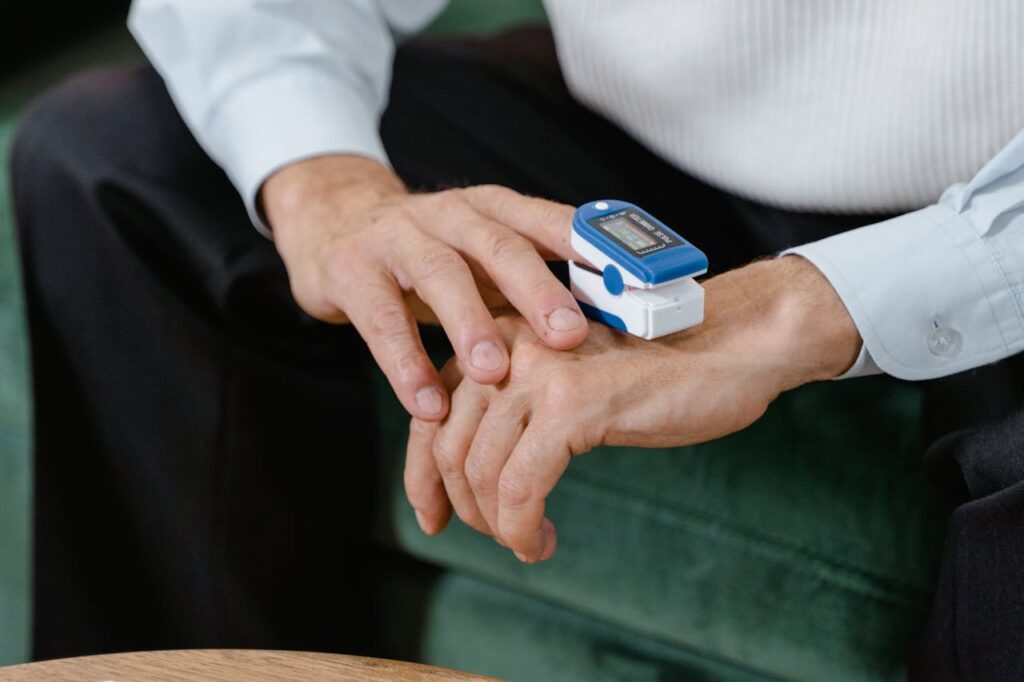
Many respiratory illnesses — including COVID-19, pneumonia, asthma, and COPD — can cause silent hypoxia, where oxygen levels drop without warning signs. An oximeter helps you catch it early before it becomes dangerous.
Having an oximeter can provide critical information about oxygen levels, allowing families to take proactive measures to protect their health.
Using an oximeter regularly can help track changes in oxygen saturation and alert you to potential health issues.
If someone in your family is sick or recovering from a virus or surgery, an oximeter lets you monitor their vitals safely from home, reducing unnecessary hospital visits.
Have elderly family members or people with heart or lung conditions? An oximeter helps you stay ahead and act fast if something is wrong.
Athletes, hikers, and travelers use oximeters to monitor oxygen levels during workouts or high-altitude trips.
Oximeters are inexpensive, portable, and require no medical training. It’s a small investment for a huge safety net.
During the COVID-19 pandemic, many people caught dangerously low oxygen levels just in time thanks to home oximeters — allowing them to seek urgent medical care.
Having an oximeter is like having a fire extinguisher or first-aid kit — you hope you never need it, but when you do, it can save a life.
Take control of your family’s health. Add a pulse oximeter to your home today.
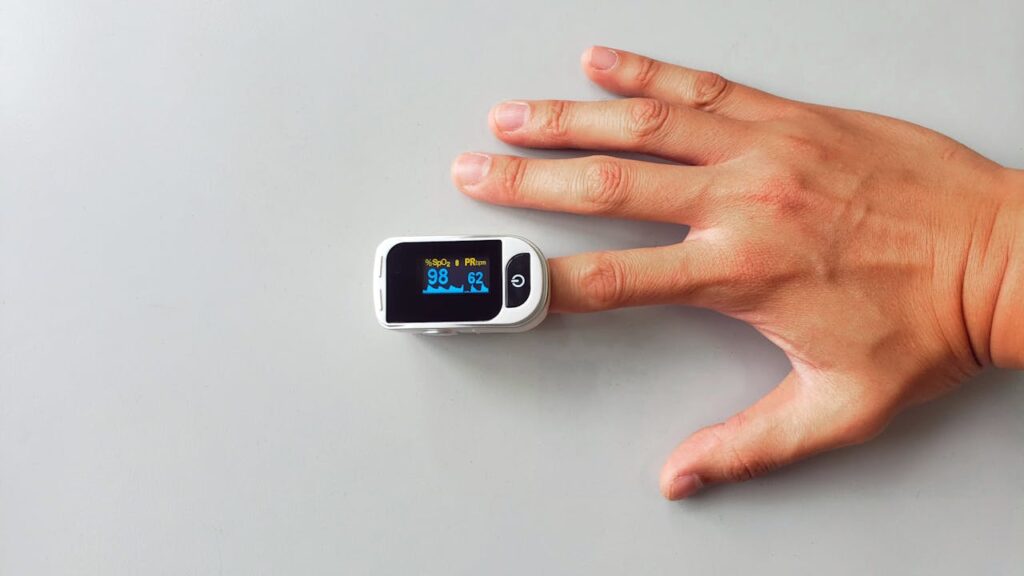
Having an oximeter at home can truly make a difference during health emergencies.
highlighting how pulse oximeters have truly saved lives:
In August 2021, Ishu Singla tested her oxygen level at her sister’s clinic despite feeling completely fine. The oximeter reading was alarmingly low—94–95%—even though she had no symptoms like fever, cough, or breathlessness. Concerned, she and her sister consulted a doctor and ran diagnostic tests. Results showed early lung involvement despite a negative RT-PCR. Thanks to this early detection, Ishu received timely treatment and averted serious complications. She later emphasized:
“My purpose in writing this story is that a COVID can exist with or without symptoms and should spare few seconds in a week to monitor saturation levels.”
👉 Lesson: A simple fingertip test caught a potentially dangerous “happy hypoxia” case before it worsened.
In rural Assam, as part of a Lifebox initiative, medical staff began using pulse oximeters in neonatal care. Shortly after, a newborn was born with critically low oxygen—only 58% SpO₂. Thanks to the immediate reading, a nurse alerted Dr. Giri, who resuscitated the baby. Without this early warning, the infant would likely have suffered irreversible brain damage or worse. The doctor noted that within minutes, thanks to the oximeter, they took life-saving action.
👉 Lesson: In resource-limited rural settings, even one device can make all the difference for a newborn’s survival.
These aren’t isolated cases—they reflect real-world evidence that pulse oximeters detect hidden danger—whether it’s “silent hypoxia” in adults or life-threatening oxygen deprivation in newborns.
Don’t wait for visible symptoms. A quick SpO₂ check could save a life—your own or someone’s you love.
also read:-Outdoor Toys for Kids: The Complete Guide for Parents