Physical Address
304 North Cardinal St.
Dorchester Center, MA 02124
Physical Address
304 North Cardinal St.
Dorchester Center, MA 02124

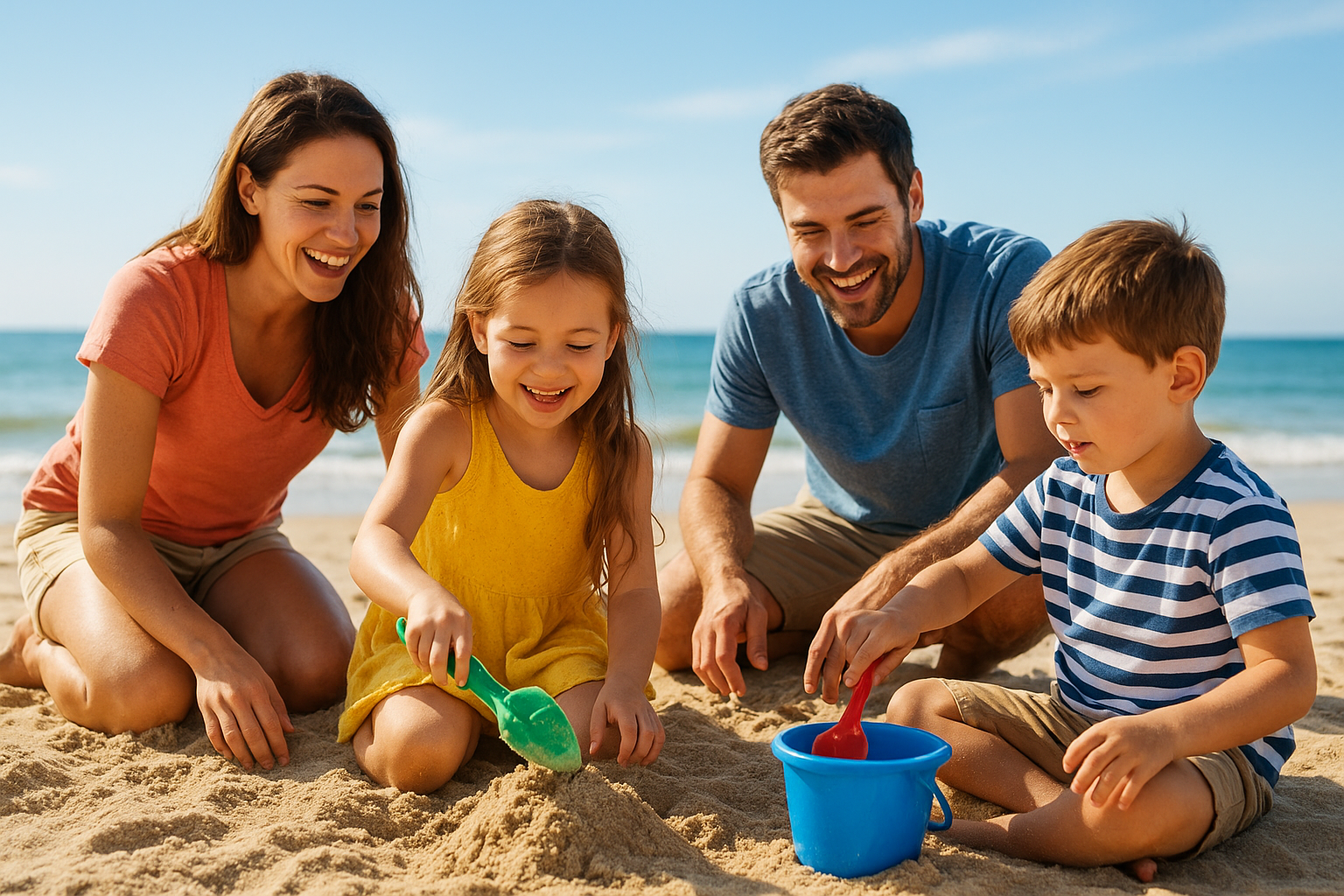
Childhood is meant to be filled with joy, laughter, and adventure. One of the best ways to give children a wholesome experience is by encouraging outdoor play. In today’s fast-paced digital world, where screens dominate a large chunk of a child’s day, the importance of outdoor activities cannot be overstated. Outdoor toys for kids are not just fun distractions—they are tools that foster growth, learning, creativity, and social bonding.
This guide dives deep into everything you need to know about outdoor toys for kids—why they matter, the best options available, how to choose the right ones, and even tips for parents to make outdoor play a regular part of family life.

Before we discuss toys, it’s important to understand why outdoor play itself is so valuable. For decades, doctors, educators, and child psychologists have emphasized that outdoor time is just as crucial as academic learning.
Outdoor play involves running, jumping, climbing, and balancing. These activities strengthen muscles, improve coordination, and help in building endurance. For instance, a simple game of catch improves hand-eye coordination while also giving kids a cardio workout.
Research shows that exposure to natural sunlight boosts vitamin D levels, which supports bone growth and strengthens immunity. Moreover, outdoor play reduces stress and anxiety in children. Fresh air and natural surroundings act as a mood booster.
Unlike indoor toys, outdoor toys for kids usually have open-ended uses. A stick becomes a sword, a bucket turns into a castle mold, and a cardboard box can become a spaceship. The outdoor environment encourages children to think creatively.
Playing outdoors often involves friends, siblings, or neighbors. Kids learn teamwork, sharing, problem-solving, and leadership when engaging in group activities.
One of the biggest benefits of outdoor toys is that they naturally pull children away from gadgets. Reduced screen time is directly linked with better sleep, improved attention span, and healthier eyes.
There’s no “one size fits all” when it comes to choosing outdoor toys. Every child has different interests, energy levels, and developmental needs. Below is a detailed breakdown of categories and examples:
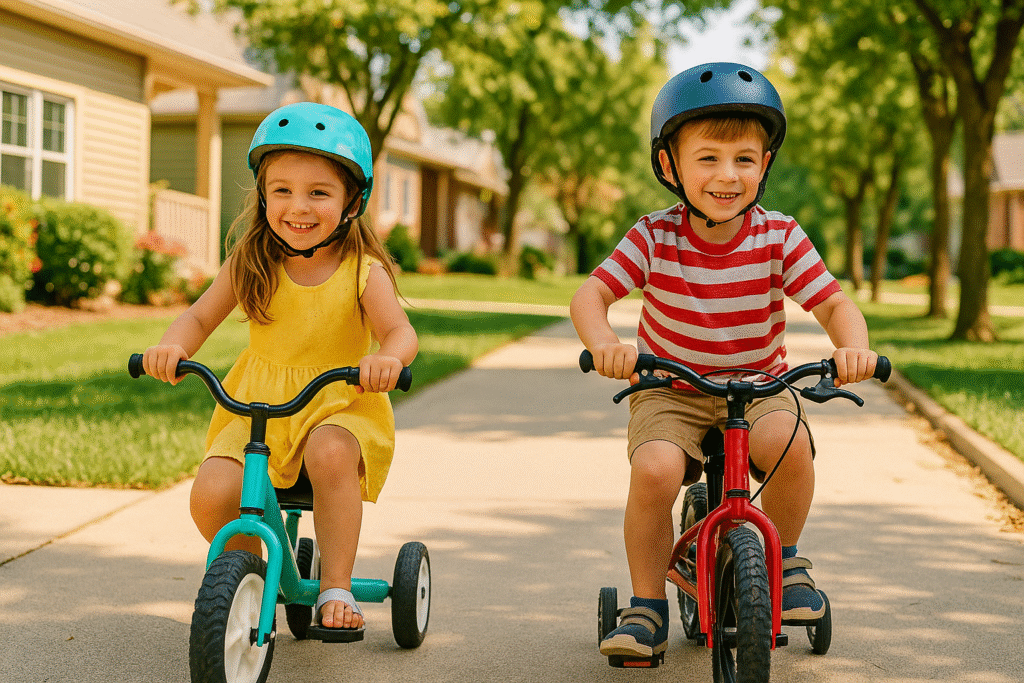
These are classic favorites that help children develop balance and coordination while having fun.
Tip: Always pair ride-on toys with helmets and protective gear for safety.
Introducing kids to sports through toys is one of the best ways to encourage lifelong fitness.
Sports toys not only keep children fit but also teach discipline, teamwork, and patience.
Perfect for summer, these toys provide sensory play and keep kids engaged for hours.
Sand and water play also stimulate creativity and tactile learning.
For children who love exploring nature, these toys spark curiosity.
Such toys help children connect with nature and build a sense of adventure.
If you have space in your backyard, these are excellent long-term investments.
These toys simulate the benefits of a playground at home.
Some toys merge creativity with outdoor activity:
Depending on the time of year, different outdoor toys may be more suitable:
Parents can rotate toys based on seasons to keep playtime exciting and fresh.
With endless options available, selecting outdoor toys can feel overwhelming. Here’s a simple checklist for parents:
Outdoor toys for kids are often mistaken as just tools for fun. In reality, they provide benefits that last well beyond childhood.
Safety should always be a priority during outdoor play. A few basic guidelines include:
Parents don’t always need to invest heavily. Affordable toys like skipping ropes, chalk, and buckets can provide hours of entertainment. However, premium toys like trampolines, electric cars, or elaborate swing sets offer long-term durability and excitement.
The right balance depends on your budget, space, and child’s interests.
Q1. How do I maintain outdoor toys?
Clean them regularly, store them indoors when not in use, and check for rust or cracks.
Q2. At what age can kids start using ride-on toys?
Simple push toys can be introduced as early as 12 months, while tricycles and balance bikes are ideal after 18 months.
Q3. How much outdoor play is recommended?
Experts suggest at least 60 minutes of active outdoor play daily for children.
Q4. Can outdoor play replace indoor learning activities?
Not replace, but complement. Outdoor play supports physical and social development, while indoor activities build focus and academic learning.
Childhood is short, but the memories created during these years last a lifetime. Outdoor toys for kids bring out the best in them—strength, creativity, resilience, and joy. In a world increasingly dominated by gadgets, outdoor play is the perfect antidote.
As parents, giving children access to outdoor toys means investing in their health, happiness, and growth. From a simple skipping rope to a backyard swing set, every outdoor toy has the power to light up a child’s world.
So, the next time you’re considering a gift for your little one, skip the screen-based gadgets and pick an outdoor toy. Not only will it keep them active and healthy, but it will also create memories they will carry for a lifetime.
also read:- Best Electronic Gadgets for Students in 2025